Three decades inside the machine.
It domesticated me, too. Now I help leaders get themselves back.
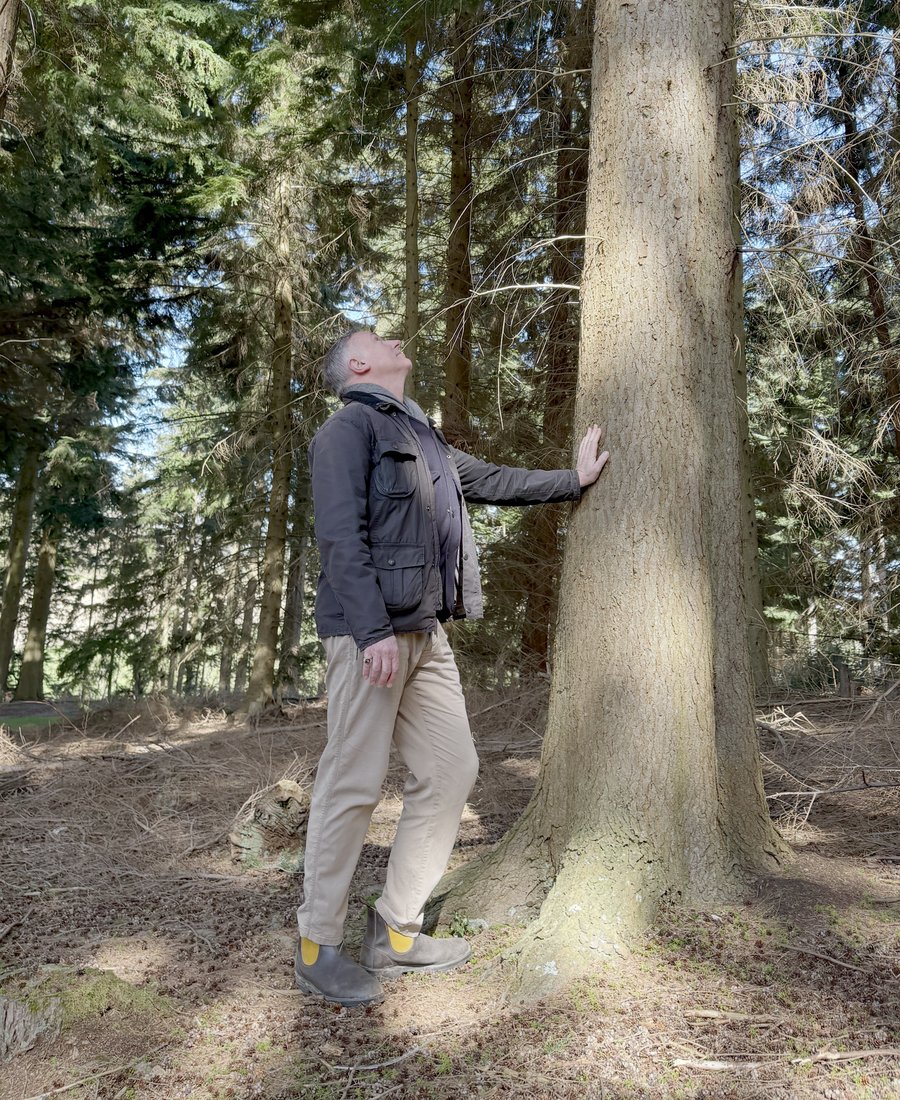
Most leaders get domesticated by the organisations they lead. Wild Leadership is the work of becoming dangerous again. Not reckless. Grounded. Dangerous.
I am the founder of Wild Leadership and a consigliere to chief executives.
I started my career by threatening to turn up to a job interview in a Batman costume. I got the interview, and the job. I tell you that because it is the version of me the next thirty years slowly trained out.
I thought the deal was simple. Keep building, keep delivering, and the rest would follow. So I got good at it. I also got careful.
The reckoning, when it came, was a single meeting. A senior colleague tore into my team over things I knew were untrue, and I sat there and said nothing. I had been told beforehand to let him have his way and patch it up with the team later. So I did.
None of it felt like surrender at the time. It felt like being sensible. That is the part that should worry you.
It took me years to see what had happened, and longer to build my way back. The full account is in my essay, How I Became Domesticated.
I have led at board level in private equity-backed businesses, under pressure on the numbers that never let up. I have sat in boardrooms under real strain, and rebuilt businesses that were coming apart.
I know what it costs to carry real authority inside a system that is quietly working against your own judgement. I know because it happened to me.
Wild Leadership exists because I needed it and it did not exist.
The machine model most organisations run on is quietly breaking the people who lead them. There is plenty written about strategy and performance. There is almost nothing honest about what the system does to a leader’s judgement, or what it costs to keep hold of your own.
So I started writing it down. The advisory work grew out of the writing, because people read it and wanted to talk.
I have been building Wild Leadership in public since early 2026. Essays and field notes, most weeks, on what it means to lead without losing yourself to the machine.
How I Became Domesticated
The meeting described above, told properly, and what it took to see it.
The Domestication of Leaders
The cornerstone essay. How institutions reward the parts of a leader that are easiest to manage.
The Forest
What organises itself without a controller, and what that asks of the person in charge.
Essays on Thursdays. Field Notes on Mondays. Free to read.
Read everything at wildleadershipco.substack.com
I’m Scottish, and I have spent most of my adult life in London. I live some of my time on a houseboat in the countryside, close to water, weather and the kind of walking that clears the head. I have two grown-up daughters. They are the responsibility I take most seriously.
What I care about, underneath all of it, is simple. That what a person says, decides and does line up, with no theatre in between. I would rather find the structural cause of a problem than treat its symptom. And the only businesses worth building, to me, leave more behind them than profit.
Cooking is how I unwind. Eating locally and seasonally is one small way I live consistently with what I believe about stewardship. I train hard. I write every day.
The argument, laid out.
If you want the whole shape of it rather than the biography.
The domestication of leaders
Why capable leaders go quiet, and what years of self-censoring cost.
The Apex
Nobody has told you it exists, or what staying there costs. Narrower at the top than the bottom, and eventually everyone leaves. The subject of the book I am writing.
The work starts here.
Every engagement begins with a CEO Clarity Conversation. An hour, no charge, to look at what is actually going on, and decide whether this work is right for you now.
No pitch. No proposal. An honest conversation.
Grounded. Less edited. Dangerous again.